A game doesn’t survive for over two decades without learning how to adapt. In its 22-year history, World of Warcraft has undergone some of the most significant transformations in the MMO genre, reshaping itself to meet shifting player expectations. But many of its most foundational changes have arrived only recently. The previous expansion, The War Within, introduced proper account-wide progression and allowed solo players to earn endgame gear. Just four years ago, Blizzard finally enabled Alliance and Horde players to team up.
Midnight, the latest expansion, continues this trajectory. While not as radically transformative as its predecessor, it represents a confident push forward—introducing systems that would have seemed unthinkable just a few years ago. New features like the Prey system bring meaningful challenge and endgame rewards to open-world questing. Built-in UI tools—including a Cooldown Manager and an in-game damage meter—reduce reliance on third-party add-ons. And after nearly two decades of waiting, player housing has finally arrived, allowing players to truly make a home in Azeroth.

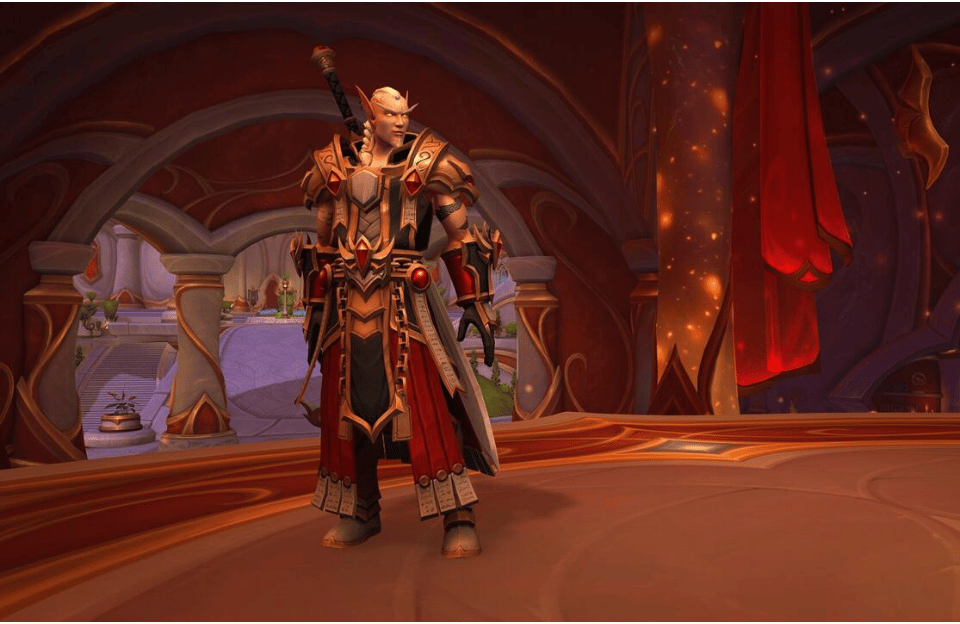
Even as Midnight modernizes WoW’s systems, it also looks back. The expansion leans heavily into nostalgia, particularly through a lovingly revamped Silvermoon City and Eversong Woods, which evoke the Burning Crusade era while advancing the game’s present-day timeline. The result is an expansion that feels both forward-looking and deeply rooted in the franchise’s history.
A Return to Quel’Thalas
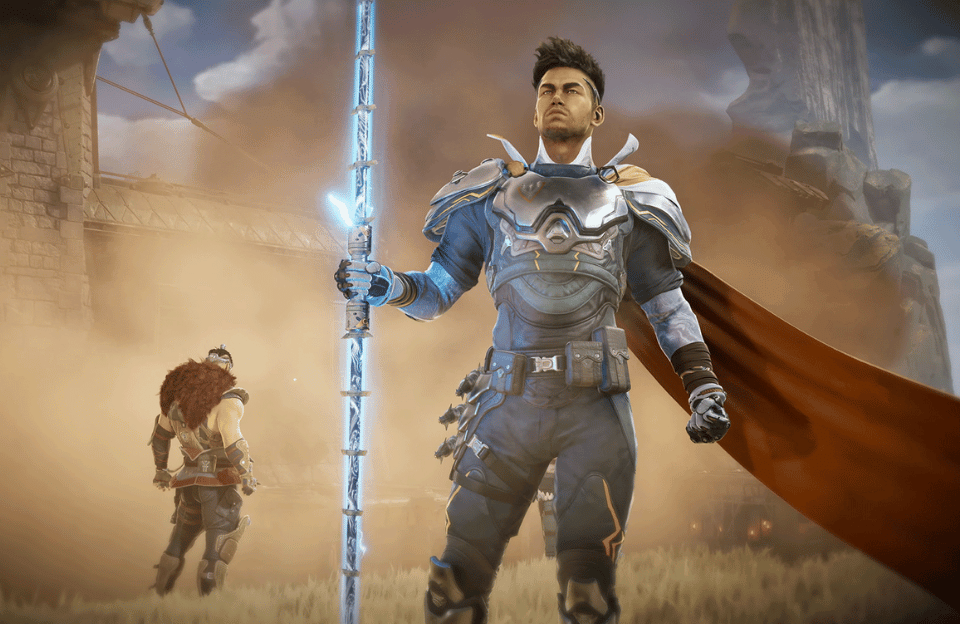
Midnight opens with an invasion. The blood elf lands of Quel’Thalas and the Sunwell are attacked by Xal’atath and her Void army, who tear open a massive portal in the sky. After repelling the initial assault, Azeroth’s holy wielders combine their power to stabilize the Sunwell, holding the portal at bay. It falls to the player—alongside Arator, son of Turalyon and Alleria Windrunner—to defend Silvermoon City and uncover a way to stop Xal’atath’s plans.
Despite an intense prologue, the sense of urgency fades quickly. Xal’atath, a villain who has earned a place alongside the franchise’s most iconic antagonists, appears only sparingly in the early campaign. Her motivations remain vague, and the goal of corrupting the Sunwell treads familiar ground. Still, Blizzard has reason to hold back: Silvermoon and Eversong Woods have been beautifully remade, and their destruction would have undermined one of the expansion’s greatest achievements.
The revamped Silvermoon is a standout. Its vertical architecture integrates seamlessly with modern WoW’s flying mechanics, and the lighting—radiant, as if bathed in the Sunwell’s glow—gives the city a visual identity that feels both faithful and fresh. Combined with a striking skybox dominated by a massive, black-hole-like portal visible from across the continent, Midnight often looks far newer than its 20-year-old engine might suggest.
Blizzard has also advanced the region’s timeline. Eversong Woods and the former Ghostlands are now merged into a single zone. The Dead Scar has been healed. NPCs from The Burning Crusade remain, but the quests have evolved—focusing now on the blood elves’ place in modern society rather than serving as a beginner’s tutorial. After years of expansions set on alien worlds or distant islands, returning to a familiar location and seeing how it has changed feels genuinely novel.
Zones New and Old

Midnight also revisits other Eastern Kingdoms locations, though without the same extensive overhaul. Zul’Aman, once a raid and later a dungeon, has been expanded into a full zone. The original city remains intact, but new surrounding areas blend seamlessly with Blizzard’s existing work, and a new delve adds additional depth.
The expansion introduces two entirely new zones. Voidstorm initially appears as a generic Void-touched wasteland, but it eventually reveals itself to be home to some of the expansion’s most compelling side content. The Domanaar, a new race defined by their ruthless yet oddly humorous nature, add personality and charm that help Voidstorm become an unexpected highlight.
The same cannot be said for Harandar. Accessed via a magical portal, this zone—home to the new Harandir allied race—feels disconnected from the rest of the expansion. While it contains a few interesting lore revelations, it seems more aligned with The War Within’s narrative and disrupts the pacing of Midnight’s campaign without offering a compelling visual or narrative payoff.
Systems That Lower Barriers
Where Midnight truly advances the game is in its systems and encounter design. Ahead of the expansion’s launch, Blizzard controversially restricted what player-made combat add-ons could do, leading some major tools—most notably WeakAuras—to cease development. In their place, Blizzard introduced the Cooldown Manager, a built-in replacement that allows players to track buffs and abilities by simply dragging and dropping icons.
For many players, this is a significant improvement. It eliminates the complexity of configuring external add-ons while still providing essential combat information. Paired with an in-game damage meter, it gives players more accessible tools than ever before.
Encounter design has also shifted. In previous expansions, high-level content often felt opaque, requiring external guides to parse chaotic mechanics. In Midnight, dungeon and boss encounters are more clearly telegraphed. Mechanics are easier to read, and players have more time to react. It’s now possible to walk into a Mythic dungeon without anxiety, learning encounters organically rather than through pre-study.
Class design, however, is a mixed bag. Blizzard streamlined many specializations—sometimes too aggressively. Healers lost their interrupt abilities across the board. The new Demon Hunter DPS specialization, Devourer, feels overly simplistic, often reducing gameplay to a two-button loop until a cooldown becomes available. Meanwhile, the new Apex Talents, intended to offer meaningful end-of-tree choices, often feel less like options and more like mandatory investments. Some specializations are nudged toward specific builds that may not align with player preference.
Despite these missteps, WoW’s core combat remains best-in-class for tab-target MMOs. With improved information tools and refined encounter design, moment-to-moment gameplay still delivers—even if it sometimes feels more simplified than in recent expansions.
Player Housing: A Long-Awaited Arrival
Housing is undoubtedly Midnight’s biggest selling point. After 20 years of anticipation, Blizzard has finally delivered a system that largely avoids the pitfalls seen in other MMOs. The decorating tools offer considerable creative freedom, even if they could be made more efficient for larger projects.
Acquiring decor items does involve some grind, as most items are one-time use—though they can be reclaimed and moved. A recent hotfix reduced vendor prices for decor, easing the burden somewhat, but acquiring multiples of certain items can still feel cumbersome. Nevertheless, the foundation is strong, and Blizzard has room to expand on it in future updates.
Solo Endgame: Prey and Delves

Continuing the solo-friendly direction established in The War Within, Midnight introduces Prey—a bounty system that takes place in the open world. Players hunt high-value targets by completing world quests, gathering clues, and eventually confronting the enemy. Higher difficulties offer endgame-level gear and introduce stacking debuffs that increase risk.
Prey brings genuine challenge back to outdoor content, something WoW has lacked for years. However, it’s less likely to become a primary endgame activity. While it integrates seamlessly with other open-world tasks, the encounters themselves are less dynamic than delves or dungeon bosses. For most players, Prey will likely serve as a supplementary source of gear and Great Vault options rather than a main attraction.
A Crossroads of Past and Future
Midnight finds World of Warcraft at a fascinating crossroads. The old barriers—faction restrictions, account-wide limitations, and solo endgame—have largely been dismantled. With fewer obvious obstacles left to tackle, Blizzard has instead focused on polish, accessibility, and a long-requested feature in player housing.
The expansion’s embrace of nostalgia is unusual for modern WoW, but it’s handled with care. Revisiting Silvermoon, healing the Dead Scar, and hearing old war stories from classic characters in the Arcantina tavern all serve as reminders of the game’s history without trapping it in the past.
Not every new system lands perfectly. Harandar feels like a relic of a different expansion, and some class simplifications risk alienating players who prefer more mechanical depth. But taken as a whole, Midnight offers a compelling case for both returning and new players. It’s an expansion that honors where WoW has been while continuing to push it toward a more accessible, solo-inclusive, and customizable future—one change at a time.