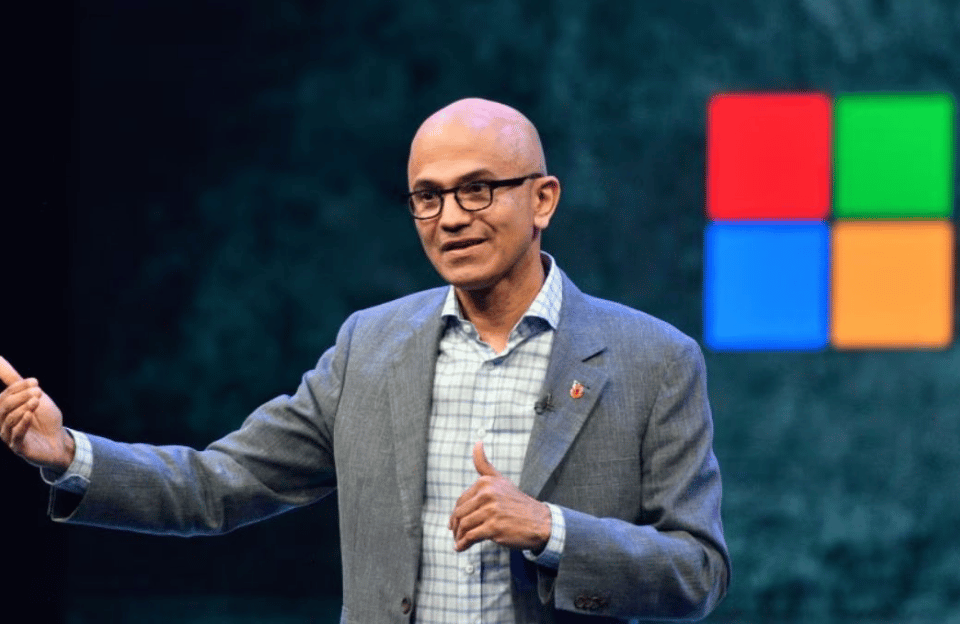
Microsoft CEO Satya Nadella, having recently delegated operational leadership of core businesses to a new executive, is carving out time for a new personal endeavor: blogging. Shifting focus from day-to-day management to broader technological discourse, Nadella has debuted his “sn scratchpad” with a post addressing the future of AI. His central argument is that the industry must transcend the polarizing debate pitting “AI slop” against sophistication.
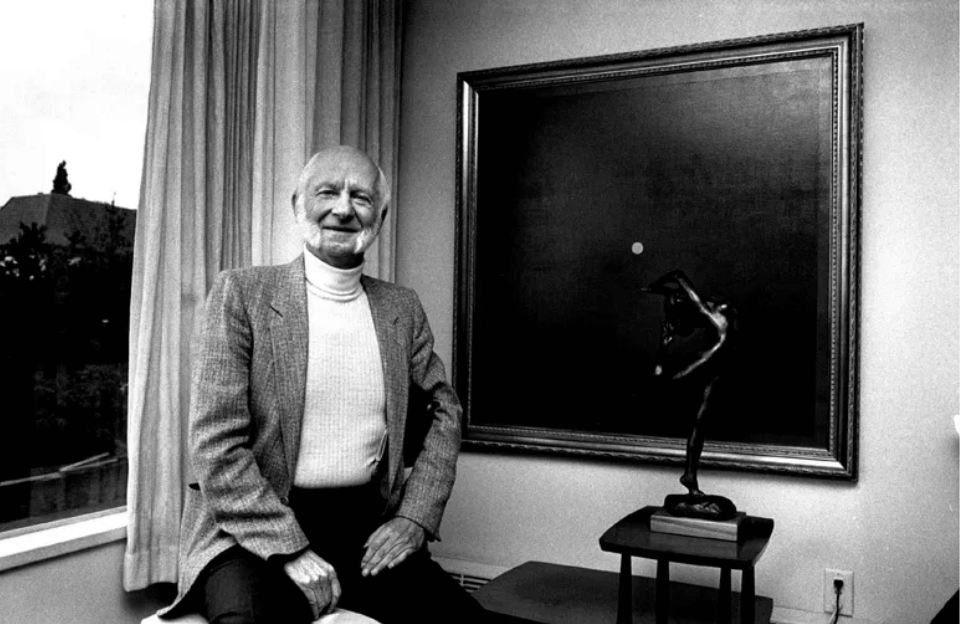
In his inaugural entry, Nadella acknowledges that Microsoft and other AI leaders still have significant work ahead. A key task, he suggests, is forging a new conceptual framework for AI—evolving from Steve Jobs’s classic “bicycles for the mind” analogy for computers. “We need to get beyond the arguments of slop vs sophistication and develop a new equilibrium… that accounts for humans being equipped with these new cognitive amplifier tools as we relate to each other,” Nadella writes.
This push reflects Microsoft’s strategic pivot. The company is betting on a future where AI agents, not traditional software like Office and Windows, become ubiquitous tools. This ambition, however, fuels existing tensions. Creators across fields fear being marginalized by AI capable of mimicking artistic styles, while many users encounter outputs that feel unrefined or “slop.”
Microsoft envisions a world where voice commands to Copilot agents handle content creation, information retrieval, and task guidance. Yet, Nadella concedes the current reality falls short, with many promised capabilities not fully realized. The company is banking on rapid model improvements to close this gap, even as concerns about AI-generated realism grow—echoing warnings, like those from Meta, about the eroding ability to trust digital media.
Despite being a central figure in the competitive AI model wars of 2025 involving OpenAI, Google, and Anthropic, Nadella now emphasizes that application, not just raw model power, is what truly counts. “We will evolve from models to systems when it comes to deploying AI for real world impact,” he states, stressing that these systems must be built with deliberate consideration for their societal and planetary effects. “The choices we make about where we apply our scarce energy, compute, and talent resources will matter. This is the socio-technical issue we need to build consensus around.”
While brief, Nadella’s post frames 2026 as a “pivotal year for AI,” asserting the industry now has a “clearer sense of where the tech is headed.” He promises more personal “notes on advances in technology and real-world impact” throughout the year, setting the stage for a crucial period of validation. Whether the tech industry finally gets AI right, he suggests, is a question for a 2027 retrospective. For now, Nadella is using his new platform to steer the conversation toward holistic systems and responsible application, aiming to move past the simplicity of the “slop” debate.