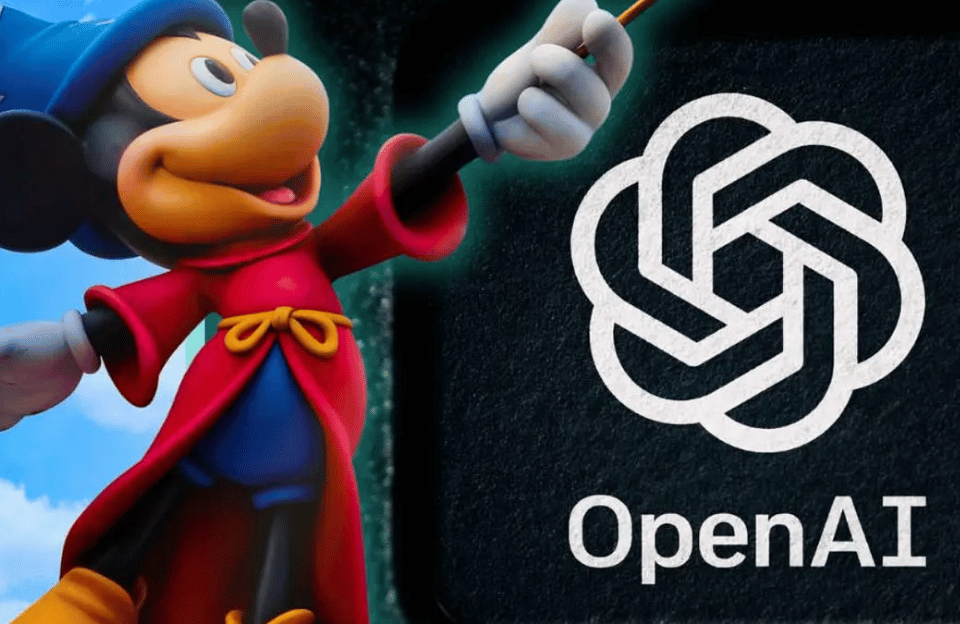
In a landmark move, Disney is licensing its iconic characters to OpenAI and making a massive equity investment, reshaping the AI-content landscape.
The Announcement
In a surprising yet strategic play, The Walt Disney Company announced a multi-pronged AI strategy this week. The entertainment giant is not only making a $1 billion equity investment into OpenAI but has also signed a three-year licensing deal to bring over 200 of its most beloved characters to OpenAI’s platforms, including the ChatGPT and Sora AI video generator.
Starting in early 2026, users of Sora—OpenAI’s popular AI video app—will gain official access to a vast library of Disney, Pixar, Marvel, and Star Wars characters. This means fans can legally create and share AI-generated videos featuring superheroes, princesses, droids, and fantastical worlds without fear of copyright takedowns.
Why This Partnership Matters
This deal represents a pivotal shift in how major intellectual property (IP) holders are approaching generative AI. Instead of solely fighting AI companies in court over copyright concerns—as Disney is currently doing with Midjourney and Google—the company is now strategically embracing a key player.
-
For Users: It promises a new era of sanctioned fan creativity. Imagine generating a short clip of Spider-Man swinging through a cyberpunk city or Baby Groot dancing in your living room—all with Disney’s official blessing.
-
For Disney: It’s a direct revenue stream and a powerful hedge. The investment and licensing fee grant Disney influence and early access to cutting-edge AI tools. The company plans to use OpenAI’s APIs to “build new products, tools and experiences,” potentially even integrating select Sora-made content into Disney+.
-
For OpenAI: This is a massive legitimacy boost. Partnering with the world’s most guarded IP owner provides a robust defense against copyright lawsuits for this specific content and sets a precedent for future deals.
The Fine Print: Limits and Controls
The agreement has clear boundaries, reflecting ongoing ethical debates:
-
No Real-Life Likenesses: The deal covers animated, masked, and creature characters, but does not include the likenesses or voices of real actors. You can create Rocket Raccoon, but not a version voiced by Bradley Cooper.
-
Safety Commitments: Both companies emphasized a “shared commitment to maintaining robust controls” to prevent the creation of illegal or harmful deepfake content. The exact nature of these safeguards remains unclear.
-
A Strategic Counter-Move: The announcement came the same week Disney sent a cease-and-desist letter to Google, alleging its new AI models infringe Disney copyright on a “massive scale.” This starkly illustrates Disney’s two-pronged approach: sue perceived bad actors, partner with aligned ones.
The Bigger Picture: IP in the AI Age
Disney CEO Bob Iger framed the move as “thoughtfully and responsibly extend[ing] the reach of our storytelling through generative AI.” In essence, Disney is attempting to channel the disruptive force of user-generated AI content into a controlled, monetizable channel.
This deal will be closely watched as a test case for whether AI platforms and legacy media giants can coexist profitably. Can Disney protect the integrity of its stories while unleashing them into the remix culture of AI? The answer, starting in 2026, will shape the future of entertainment, fandom, and copyright law in the artificial intelligence era.